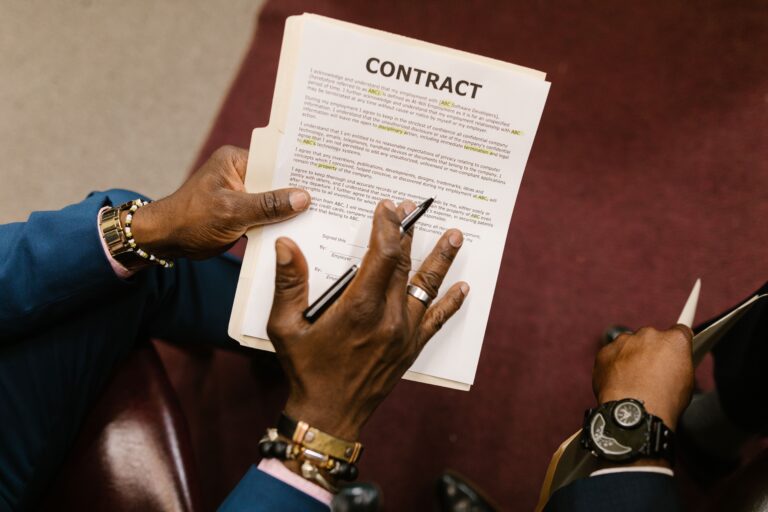
Welcome to Contract for Deed Guys in Minnesota


One of the first questions buyers ask when exploring a contract for deed in Minnesota is about the interest rate. It makes sense. The rate affects everything from your monthly payment to how much you pay over the full life of the agreement. And unlike a bank mortgage, where rate ranges are widely published, contract for deed rates are set deal by deal, which can feel a little opaque if you have never been through one before.
This guide breaks down how interest rates work in Minnesota contract for deed transactions, what typically influences the rate, and what to look for before you sign anything.
How Interest Rates Work in a Minnesota Contract for Deed
In a traditional mortgage, the interest rate comes from a lender and is tied to benchmark rates, credit scores, loan products, and underwriting guidelines. In a contract for deed, the seller sets the rate and it is negotiated as part of the agreement between buyer and seller.
That means there is no standardized rate sheet to reference. The rate in one deal might look very different from the rate in another, even on similar properties in the same city. What matters is how the full deal is structured and whether the rate, combined with the purchase price and payment terms, makes the monthly payment realistic for you.
Minnesota does have legal guidelines that govern the maximum interest rate allowed on a contract for deed. We cover that in more detail on the contract for deed maximum interest rate in Minnesota page. The short version is that buyers should always review what the contract states and not assume any rate is automatically legal or standard.
What Can Affect the Interest Rate
Several factors shape what a seller may offer as an interest rate. Understanding these puts you in a much better position when you sit down to review terms.
Buyer Risk Profile
From a seller’s perspective, the rate reflects perceived risk. If a buyer has a thin credit history, recent financial setbacks, or limited documentation of income, a seller may set a higher rate to account for that uncertainty. Buyers with stronger financial profiles tend to have more room to negotiate.
This is something we see consistently when working with buyers across Minnesota. The buyers who come in organized, with stable income and some cash saved, almost always land in a better position on rate than buyers who are less prepared.
Down Payment
The size of the down payment influences the rate more than many buyers expect. A larger down payment reduces the seller’s exposure and signals buyer commitment. Sellers are often more flexible on rate when a meaningful amount of money is coming down upfront.
If you are still working through how much to bring to the table, the contract for deed down payment in Minnesota page walks through what to expect and how to think about the upfront cash side of these deals.
Seller Flexibility
Not every seller operates the same way. Some sellers in Minnesota are focused on maximizing the rate of return on their property. Others care more about finding a stable buyer and closing the deal cleanly. That flexibility, or lack of it, directly affects what rate ends up in the contract.
Property Specifics
The type of property, its condition, and its location can also factor into how a deal gets structured. A move-in ready home in a stable area is a different risk calculation than a property that needs significant work or sits in a slower market.
Overall Market Context
Interest rate environments in the broader market can influence contract for deed rates over time, even if the connection is not direct. Sellers who are aware of current mortgage rates will often use that context when thinking about what rate feels reasonable for a seller-financed deal.
Why Interest Rate Matters More Than Many Buyers Realize
Buyers sometimes focus so heavily on the monthly payment amount that they do not fully consider how the rate shapes the total cost of the agreement. These two things are connected, but they tell different parts of the story.
Total Cost Over Time
A higher rate means more of each payment goes toward interest and less goes toward reducing the balance owed. Over a multi-year contract, that difference adds up. Two buyers paying the same monthly amount but at different interest rates can end up in very different positions when the contract term ends and a payoff or refinance becomes necessary.
Monthly Payment Pressure
A rate that seems manageable on paper can become a source of stress if income changes, unexpected expenses arise, or the market shifts. Before agreeing to any terms, buyers should run through realistic scenarios. What does the payment look like if something changes? Is there enough room in your budget to stay current?
Refinance or Payoff Pressure Later
Many contract for deed arrangements in Minnesota are structured with the expectation that the buyer will refinance into a conventional mortgage at some point during or at the end of the contract term. The interest rate in the contract for deed directly affects how much that refinance will need to cover. Buyers who do not think this through early can find themselves in a tighter spot than expected when the payoff timeline arrives.
How Buyers Can Evaluate Whether a Rate Feels Reasonable
There is no single correct rate for a Minnesota contract for deed. But there are reasonable ways to evaluate what you are being offered.
Start by calculating the full monthly payment at the proposed rate and make sure it fits within what you can genuinely afford, not just on a good month but on a normal one. Then look at the total amount you would pay over the contract term and compare it to the purchase price. That gap represents the true cost of the financing.
It also helps to compare the rate against what a conventional mortgage would look like for someone in a similar buyer profile. Contract for deed rates are often higher because the seller is carrying the risk that a bank would otherwise carry. Some premium is expected. But there is a point where a rate becomes difficult to justify.
If you have questions about how to evaluate terms, a local real estate attorney can review the contract and help you understand what you are agreeing to.
Questions to Ask Before Agreeing to the Terms
Before you sign a contract for deed in Minnesota, these are the rate-related questions that should have clear answers in writing.
Is the Rate Fixed?
Some contracts use a fixed rate for the full term. Others may include adjustable provisions. Make sure you understand whether the rate you see at signing is the rate you will have throughout the agreement.
Are There Late Fees?
Late fees are separate from the interest rate but affect the total cost of the agreement. Know exactly what triggers a late fee and how much it is before you sign.
Is There a Balloon Payment?
Some contracts for deed in Minnesota are structured with a balloon payment, meaning the full remaining balance becomes due at a specific point, even if you have been making regular payments. If a balloon exists, you need a clear plan for how you will handle it, whether through refinancing, a lump sum payment, or a renegotiated agreement.
Understanding default exposure is just as important as understanding the rate itself. The contract for deed default in Minnesota page covers what can happen if payments are missed and why the contract terms matter so much from day one.
How Interest Rate Connects to Down Payment and Default Risk
These three pieces of a contract for deed are more connected than they might appear. A buyer who brings a larger down payment often negotiates a lower rate. A lower rate produces a smaller monthly payment. A smaller, affordable payment reduces the risk of default. And reducing the risk of default is good for both the buyer and the seller.
Thinking through these connections before you start negotiating gives you a clearer picture of what kind of deal structure makes sense for your situation. If you are still working on the big picture of how contract for deed works in Minnesota, the contract for deed Minnesota overview page is a useful starting point.
Frequently Asked Questions
What is a typical interest rate for a contract for deed in Minnesota? Rates vary based on the buyer profile, down payment, property, and seller. There is no universal standard rate. Buyers should evaluate the rate in the context of the full deal structure, not in isolation.
Are contract for deed interest rates higher than mortgage rates in Minnesota? They often are, because the seller is carrying risk that a bank would otherwise carry. Some premium over conventional mortgage rates is common. How much of a premium is reasonable depends on the specific deal.
Can you negotiate the interest rate on a contract for deed in Minnesota? Yes. The rate is part of the agreement and can be negotiated like any other term. Buyers in a stronger financial position generally have more room to negotiate.
Is there a maximum interest rate allowed on a contract for deed in Minnesota? Minnesota has legal provisions that relate to interest rate limits on these agreements. The contract for deed maximum interest rate in Minnesota page covers this in more detail. Always have any contract reviewed before signing.
How does the interest rate affect what I owe at the end of the contract? The rate determines how much interest accumulates over the contract term. A higher rate means a larger total amount paid and, if a balloon payment applies, a larger balance remaining at the end.