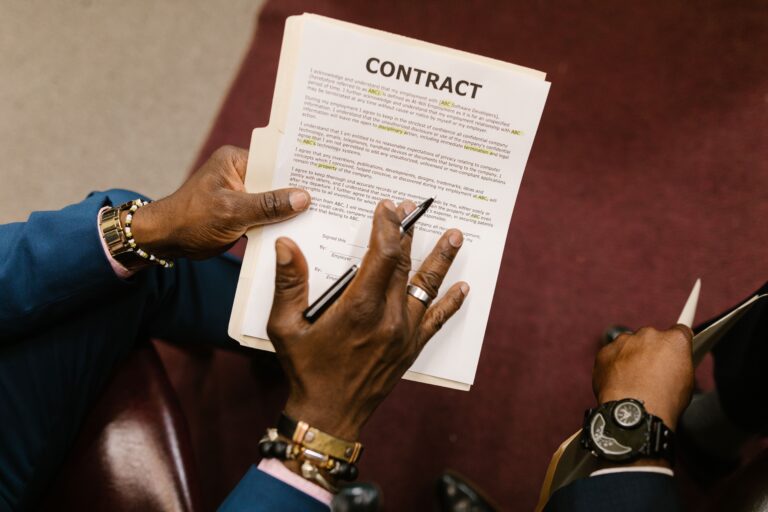
Welcome to Contract for Deed Guys in Minnesota


If your credit score isn’t where a traditional lender wants it to be, you’ve probably already heard some version of “come back when your credit improves.” That’s a frustrating answer, especially when you have income, you’re paying rent every month, and you’re ready to own.
The good news is that in Minnesota, there’s a path worth understanding: contract for deed. It’s a different kind of home purchase arrangement, one that doesn’t start with a bank approval. At Contract For Deed Guys, we work directly with buyers across Minnesota who are in exactly this situation, steady income, real motivation, but a credit history that doesn’t fit neatly into a conventional mortgage box.
This article breaks down how a contract for deed can work for bad-credit buyers in Minnesota, what you actually need to have in place, and where buyers commonly trip up.
Can You Buy a House with Bad Credit in Minnesota?
Yes, but with some important nuance attached to that answer.
Bad credit by itself doesn’t automatically shut the door on homeownership in Minnesota. What matters more is the full picture of your financial situation: how much you earn, how stable that income is, and whether you can realistically afford the monthly payment on a home.
Contract for deed gives some buyers a more flexible entry point because the approval process doesn’t run through a traditional bank. The seller, or a company like Contract For Deed Guys, evaluates you directly. That means the criteria can be more practical and more human, rather than purely algorithmic.
That said, it’s not a free pass. Sellers still need to know the deal makes sense. Understanding that distinction upfront will save you a lot of time.
Why Contract for Deed Appeals to Some Bad Credit Buyers in Minnesota
Less Dependence on Bank Approval
A conventional mortgage requires meeting a specific credit score threshold, a debt-to-income ratio, and often years of consistent documented income. If one number in that equation is off, the loan doesn’t happen, no matter how capable you actually are of making payments.
Contract for deed sidesteps the bank entirely, at least at the start. The buyer and seller agree on terms directly, and the buyer moves in and makes payments under the contract. This structure creates more room for real-world situations that don’t fit a bank’s checkbox model.
For self-employed buyers, people who’ve gone through a divorce or medical hardship, or anyone whose credit history doesn’t reflect their current stability, this can be a meaningful difference.
More Flexibility in Deal Structure
Because contract for deed is negotiated directly, there’s more flexibility in how the deal is structured. Down payment amounts, payment schedules, and interest terms can all vary based on the specific situation rather than being dictated by a standardized loan product.
That flexibility is real, but it also means buyers need to read every term carefully. More on that shortly.
A Faster Path in Some Situations
Traditional mortgage approval can take weeks or longer, with multiple rounds of documentation, underwriting, and waiting. Contract for deed transactions can sometimes move more efficiently when both sides are prepared, and the deal structure is clear.
For buyers who have found the right home and are ready to move, that speed difference is often one of the most appealing parts of the process.
What Sellers Still Look At – Even Without a Bank
One thing we want to be direct about at Contract For Deed Guys: the fact that there’s no bank involved does not mean there’s no review process.
If a seller is willing to finance a home for you, they’re taking real financial risk. They need confidence that you can make the payments. Here’s what typically gets looked at:
Income Reliability
This is usually the first thing we look at. Not necessarily how high your income is, but how consistent and documentable it is. A buyer making $4,000 a month with steady paystubs or a clear self-employment record is in a much stronger position than someone with higher earnings that are hard to verify or recently unstable.
If you’re self-employed, being able to show bank statements, tax returns, or other income documentation matters more than your credit score in many cases.
Down Payment
A meaningful down payment does a lot of work in a contract for deed deal. It shows the seller you’re serious, it reduces their risk exposure, and it often gives you more room to negotiate favorable terms. Buyers who come in with little or no cash available are harder to work with — not impossible in every case, but harder.
If you’re still building savings, that’s worth knowing now rather than after you’ve found a home you want.
Buyer Seriousness and Communication
This one sounds soft, but it matters more than people expect. Buyers who respond promptly, come prepared with their documents, and can clearly explain their situation are easier to work with and easier to trust. Sellers notice when someone has done their homework versus when they’re just kicking tires.
Be straightforward about what happened with your credit and what your current situation looks like. Honesty usually works better than trying to minimize or avoid the conversation.
How to Improve Your Position Before You Start Looking
If your situation isn’t quite ready, the worst thing you can do is rush into a deal that falls apart in six months. Here’s what actually helps:
Stabilize Your Income Documentation
Before you start applying anywhere, make sure you can clearly show what you earn. If you’re an employee, recent paystubs and a steady job history are your best friends. If you’re self-employed, get your bank statements and tax returns organized.
Gaps or inconsistencies in income documentation create doubt — even when your actual earnings are solid. Get the paperwork in order first.
Save More Cash Upfront
The more you can put down, the better your position. This is true in contract for deed more than almost anywhere else, because the down payment substitutes for some of the assurance that a bank would otherwise get from running your credit.
Even increasing your savings by a few thousand dollars before you start looking can meaningfully improve your options and the terms you’re offered.
Understand Contract Terms Before You Start Negotiating
One of the most common mistakes we see is buyers who are so focused on getting into a home that they don’t slow down to understand what they’re agreeing to. The contract terms — payment schedule, interest rate, default language, responsibilities for taxes and maintenance — are what govern your life in that home for the duration of the agreement.
If something in the contract is unclear, ask. If you’re not sure what you’re reading, get someone to help you review it before you sign.
Risks Bad Credit Buyers Need to Take Seriously
Contract for deed is not a risk-free path. Being clear-eyed about the downside is part of making a good decision.
Higher Cost Over Time
Because contract for deed is seller-financed rather than bank-financed, the interest rates are often higher than a conventional mortgage. That means a higher total cost over the life of the agreement. Buyers should run the numbers honestly and make sure the deal makes financial sense at that rate — not just hope it works out.
Weak Contracts
Not every contract for deed deal is structured carefully or fairly. If the contract terms are vague, one-sided, or missing important protections, the buyer carries the most risk when something goes wrong. Reviewing the contract carefully, ideally with legal help, is not optional.
Default Exposure
If you miss payments under a contract for deed, the consequences can be significant and can move faster than you might expect, depending on the terms. Unlike a traditional mortgage, where foreclosure is a lengthy process, contract for deed cancellation in Minnesota can happen more quickly under the terms of the agreement.
Understanding this before you sign — not after you’ve missed a payment — is what separates buyers who succeed from buyers who lose their down payment and their home.
Better Minnesota Buying Paths to Compare
Before committing to any path, it’s worth understanding your realistic options.
Contract for Deed
Best fit for buyers who have a reliable income, some cash for a down payment, and a credit history that’s imperfect but improving. It can be a genuine bridge to homeownership when structured well.
Rent-to-Own
An alternative that some buyers explore, rent-to-own typically involves a lease period with an option to purchase later. It can offer more time to prepare, but the terms vary widely and the option to buy is not always guaranteed.
Waiting and Preparing Longer
For buyers whose income is still unstable or whose debt load is genuinely unmanageable right now, the most honest answer might be to wait. Entering a contract for deed before you’re financially ready does more harm than good — you risk losing your down payment and setting your credit back further.
A year of focused saving and income stabilization can change your options significantly.
Where to Look for Minnesota Contract for Deed Opportunities
If you’ve reviewed your situation honestly and believe contract for deed is the right move, the next step is finding legitimate opportunities.
At Contract For Deed Guys, we work with buyers across the Twin Cities and greater Minnesota, including Minneapolis, St. Paul, Bloomington, Burnsville, Savage, and surrounding areas. Our process is straightforward: we review your situation, look at the full picture rather than just a credit score, and let you know honestly whether there may be a fit.
Frequently Asked Questions
Can you buy a house in Minnesota with bad credit using contract for deed? Yes, in some cases. Contract for deed doesn’t require traditional bank approval, which means credit score is not the only factor. Income, down payment, and overall financial stability typically matter as much or more. Buyers with bad credit who have reliable income and some cash available are often in a workable position.
What credit score do you need for contract for deed in Minnesota? There’s no set minimum credit score for contract for deed in Minnesota. Because the seller — not a bank — is providing the financing, they set their own criteria. That said, buyers with very recent serious delinquencies or no stable income may still face difficulty regardless of the arrangement.
Do bad credit buyers need a bigger down payment for contract for deed? Generally, yes. A larger down payment helps compensate for the added risk that comes with a weaker credit history. It demonstrates commitment and reduces exposure for the seller. Buyers with limited cash and bad credit face the steepest challenges qualifying.
Is contract for deed risky for bad credit buyers in Minnesota? It can be if the terms aren’t reviewed carefully or the payment isn’t genuinely affordable. The two biggest risks are entering a deal with terms that aren’t favorable and missing payments after moving in. Both risks can be significantly reduced by reviewing the contract thoroughly and being honest about affordability before signing.
How do I get started with contract for deed in Minnesota if I have bad credit? Start by getting your income documentation organized, understanding how much you can realistically afford monthly, and saving as much as you can for a down payment. Then reach out to a seller or company — like Contract For Deed Guys — that works directly with buyers and can review your actual situation.
APPLY