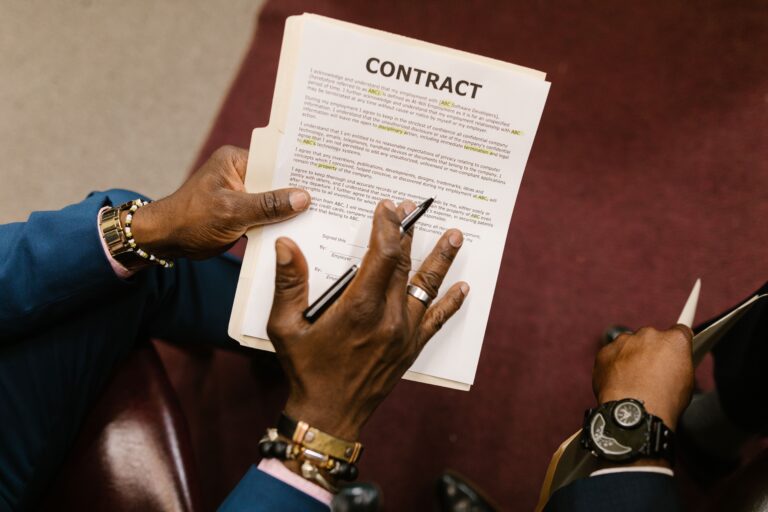
Welcome to Contract for Deed Guys in Minnesota


Buying a home is one of the biggest financial decisions most people will ever make. In Minnesota, many buyers rely on traditional mortgages from banks or lenders to finance their purchase. However, not everyone qualifies for a mortgage right away.
Strict lending guidelines, credit score requirements, self-employment income, or past financial challenges can make it difficult to obtain traditional financing, even for buyers who have the income and commitment needed to own a home.
This is where a contract for deed, sometimes referred to as owner financing, can provide an alternative path toward homeownership.
For buyers who are unable to obtain conventional financing but still want to pursue homeownership, this arrangement can offer a practical option.
In this guide, we will explain:
- what a contract for deed is
- how contract for deed works in Minnesota
- why some buyers use this option
- how the process is structured
- what buyers should understand before entering an agreement
By understanding how the process works, you can better determine whether this option may fit your situation.
How Contract for Deed Works in Minnesota (Quick Explanation)
A contract for deed in Minnesota works as a real estate agreement where a buyer purchases a home by making payments over time directly through a contract instead of using a traditional mortgage. The buyer typically moves into the property and makes monthly payments while the seller retains legal title until the contract terms are completed.
This arrangement can allow buyers who cannot currently qualify for bank financing to pursue homeownership while working toward full ownership of the property.
What Is a Contract for Deed?
A contract for deed is a legal type of real estate purchase agreement where the buyer agrees to purchase a property through structured payments directly under a contract rather than obtaining a mortgage from a bank at the start of the transaction.
Under this arrangement:
- the buyer agrees to purchase the property
- the buyer makes regular monthly payments
- the seller retains legal title to the property during the contract period
- the buyer receives full title once the terms of the contract are satisfied
In many cases, the buyer moves into the property shortly after the agreement is finalized and begins making payments according to the contract terms.
This arrangement can allow buyers to move forward with purchasing a home while working toward a longer-term financing plan.
In Minnesota, contract for deed agreements are recognized under state real estate law and have been used for decades as an alternative financing structure.
Why Some Buyers Use Contract for Deed in Minnesota
There are several reasons why buyers in Minnesota explore a contract for deed rather than a traditional mortgage.
For some buyers, the issue is not affordability, it is qualification.
1. Difficulty Qualifying for Traditional Mortgages
Traditional mortgage lenders typically require borrowers to meet strict financial criteria before approving a loan.
Common mortgage requirements include:
- minimum credit score thresholds
- extensive income documentation
- stable employment history
- debt-to-income ratio limits
- established credit history
Even buyers who can afford monthly payments may struggle to meet these requirements if their financial profile does not fit conventional underwriting guidelines.
A contract for deed can sometimes offer a more flexible path for buyers in these situations.
2. Self-Employed Income
Self-employed buyers often face unique challenges when applying for traditional mortgages.
While their income may be strong, mortgage lenders often require multiple years of tax returns and detailed financial documentation.
If income fluctuates or deductions reduce reported taxable income, approval can become difficult.
Contract for deed arrangements may allow buyers to pursue homeownership while continuing to strengthen their financial documentation for future refinancing.
3. Credit Rebuilding Situations
Many buyers exploring contract for deed have experienced financial setbacks in the past.
These may include:
- late payments
- collections
- foreclosures
- bankruptcy
- medical debt
Even when buyers have recovered financially, credit history can take time to improve.
Contract for deed can sometimes provide a way to move forward while rebuilding credit.
4. Flexibility Compared to Traditional Financing
Another reason some buyers consider contract for deed is flexibility.
Traditional mortgages follow strict institutional guidelines, while contract for deed agreements are structured through a negotiated contract.
That flexibility can sometimes allow deals to be structured in ways that work for both parties.
However, buyers should still approach these agreements carefully and ensure they fully understand the terms involved.
How the Contract for Deed Process Works in Minnesota
While each transaction can vary, the contract for deed process in Minnesota typically follows several key stages.
Understanding these steps can help buyers know what to expect.
Step 1: Initial Buyer Review
Before entering into a contract for deed arrangement, the buyer’s financial situation is usually reviewed.
This review helps determine whether the proposed payment structure is realistic and sustainable.
Factors that may be considered include:
- income and ability to afford payments
- available down payment
- employment or income stability
- housing history
- overall financial picture
The purpose of this review is to determine whether the arrangement appears workable before moving forward.
Buyers who want to understand the typical factors involved can review the buyer qualification guidelines before submitting information for review.
Step 2: Structuring the Contract
If both parties decide to move forward, the contract is structured to outline the details of the transaction.
Key terms of the agreement typically include:
- the purchase price of the property
- the down payment amount
- the monthly payment amount
- the contract length
- responsibilities for property taxes and insurance
- maintenance obligations
- conditions for completing the purchase
The agreement should clearly define the responsibilities of both parties so expectations are understood.
Step 3: Buyer Takes Possession of the Property
Once the contract is finalized and initial requirements are met, the buyer usually takes possession of the property.
At this stage, the buyer typically begins making monthly payments according to the contract terms.
In many cases, buyers move into the home and begin treating it as their residence while working toward full ownership under the contract structure.
Want to See If You May Qualify?
If you’re exploring contract for deed homes in Minnesota, the best first step is a simple pre-qualification review.
This helps determine whether the payment structure may realistically work for your financial situation.
Step 4: Monthly Payment Period
During the contract period, the buyer makes regular payments based on the agreed terms.
Depending on the structure of the agreement, these payments may include:
- principal payments
- interest payments
- escrow obligations for taxes or insurance
- other agreed responsibilities
The length of the contract period can vary depending on how the agreement is structured.
Some contracts may last several years before the final transfer of ownership occurs.
Step 5: Final Ownership Transfer
At the end of the contract period, the buyer completes the purchase according to the terms outlined in the agreement.
This may occur in different ways depending on the structure of the contract.
Possible outcomes include:
- completing all contract payments
- refinancing the property with a traditional mortgage
- paying off the remaining balance
Once the contract terms are satisfied, the buyer receives full ownership of the property as outlined in the agreement.
What Buyers Should Understand Before Entering a Contract for Deed
While contract for deed can offer a pathway toward homeownership, it is still a serious financial commitment.
Before entering an agreement, buyers should carefully understand the responsibilities involved.
Affordability Is Critical
The monthly payment must be sustainable for the buyer’s financial situation.
Entering an agreement that stretches finances too far can create risk if unexpected financial challenges arise.
Buyers should carefully evaluate whether the payment fits comfortably within their budget.
Understanding the Contract Terms
Contract for deed agreements can vary widely depending on how they are structured.
Buyers should clearly understand:
- payment structure
- contract length
- financial obligations
- property responsibilities
- what happens if payments are missed
Taking time to review the contract terms carefully is essential.
Long-Term Planning
In some contract structures, buyers may eventually refinance into a traditional mortgage.
This means the buyer may need to improve credit, income documentation, or other financial factors during the contract period.
Understanding the long-term strategy is important before entering into any agreement.
Who Contract for Deed May Be a Good Fit For
Contract for deed arrangements are not designed for every buyer.
However, they may be appropriate for buyers who are financially stable but currently unable to qualify for traditional mortgage financing.
This may include buyers who:
- have stable income but lower credit scores
- are rebuilding credit after past financial setbacks
- are self-employed with non-traditional income documentation
- have funds available for a down payment
- are serious about purchasing a home and prepared for the responsibilities involved
The most important factor is whether the payment structure is realistic and sustainable.
Contract for Deed vs Traditional Mortgage
Many buyers wonder how contract for deed compares to a traditional mortgage.
While both options involve purchasing a home, the structure of the financing is different.
| Contract for Deed | Traditional Mortgage |
| Alternative financing arrangement | Bank-issued loan |
| Terms structured through contract | Terms determined by lender |
| May offer more flexible qualification | Strict lending requirements |
| Seller retains title during contract | Buyer receives title at closing |
Both options have advantages and limitations.
Choosing the right path depends on a buyer’s financial situation and long-term goals.
How to Find Contract for Deed Homes in Minnesota
One of the most common questions buyers ask is how to find contract for deed homes in Minnesota.
Because these opportunities are not always listed in the same way as traditional real estate listings, they can sometimes require additional research.
Buyers may explore options through:
- specialized real estate opportunities
- private property arrangements
- investor-owned properties
- companies that work with contract for deed structures
Buyers interested in exploring opportunities can also review our available owner financing homes in Minnesota to see what options may exist.
Minnesota Laws and Protections for Contract for Deed
Contract for deed transactions in Minnesota are governed by specific real estate laws that define how these agreements must be structured and enforced.
Minnesota law outlines important protections and procedures related to:
- recording contract for deed agreements
- buyer and seller obligations
- notice requirements if a buyer defaults
- timelines for resolving disputes
Because these agreements involve real estate ownership rights, buyers should ensure they fully understand the contract terms before entering into an agreement.
Understanding the legal framework behind contract for deed can help buyers make informed decisions and avoid misunderstandings during the purchase process.
Frequently Asked Questions
Is contract for deed legal in Minnesota?
Yes. Contract for deed agreements are recognized under Minnesota real estate law and are commonly used as an alternative financing structure.
Do you need perfect credit for contract for deed?
Perfect credit is not always required, but financial stability and the ability to afford payments are important factors.
Do buyers need a down payment?
Many contract for deed arrangements include a down payment. The amount can vary depending on the agreement.
Can buyers refinance later?
In some cases, buyers may refinance into a traditional mortgage after improving their financial profile.
Final Thoughts
Contract for deed can provide an alternative path toward homeownership for buyers who are unable to qualify for traditional mortgage financing but are financially capable of making monthly payments.
Understanding how the process works, the responsibilities involved, and the long-term structure of the agreement is essential before moving forward.
See If You May Qualify for Contract for Deed
If you are interested in purchasing a home through contract for deed in Minnesota, the next step is to see whether your situation may qualify.
Our review process looks at the full picture — not just one number on a credit report.
We typically review factors such as:
- income and ability to afford payments
- available down payment
- employment stability
- overall financial profile
Submitting your information does not obligate you to move forward, but it allows us to determine whether there may be a workable path toward homeownership.